If you’ve ever planned a home build, remodel, or addition, chances are you’ve heard the terms framing and general contracting tossed around. At first, they can sound interchangeable—but they’re not. Each plays a unique role in turning your blueprint into a real, livable space. Whether you’re a homeowner taking on your first project or a seasoned DIYer thinking about hiring help, understanding the difference between framing and general contracting is a game-changer.
In this post, we’ll break down what each term really means, how they work together, and when you might need one versus the other.
What Is Framing in Construction?
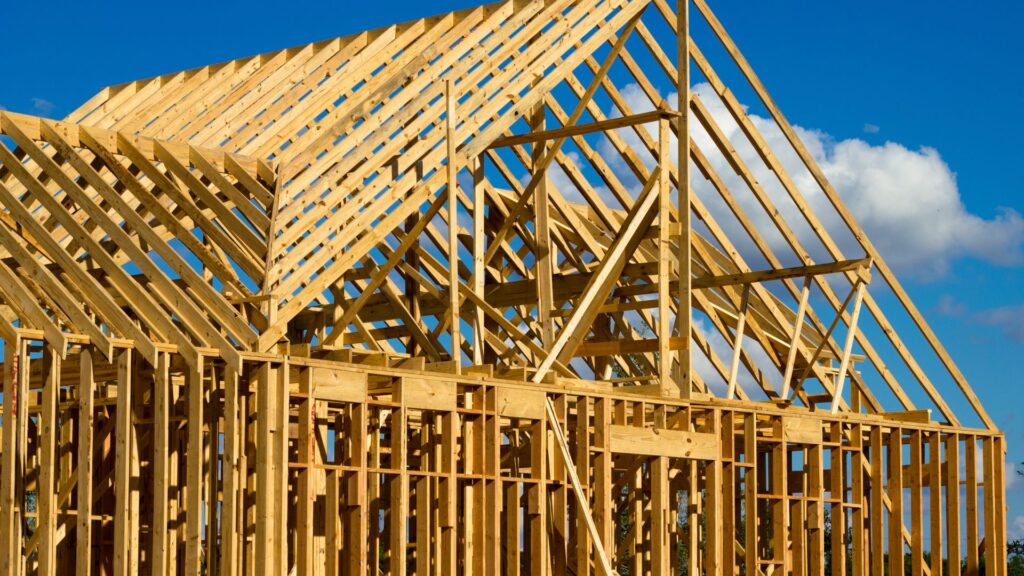
When you hear the word framing, think of the skeleton of your home. It’s the wooden or metal structure that holds everything together—walls, floors, ceilings, and even roof lines. Without proper framing, your project literally wouldn’t stand.
Framing contractors specialize in this part of construction. They know how to read architectural plans, measure precisely, and build a structure that can safely support the rest of the work that follows. From laying out stud walls to creating roof trusses, these professionals handle one of the most crucial steps in the building process.
Framing is typically one of the very first construction tasks after the foundation is complete. It sets the stage for plumbing, electrical, insulation, drywall, and finishes. In other words, it’s where your house starts to take shape.
What Does a General Contractor Do?
Now let’s talk about the bigger picture: general contracting. A general contractor (or GC) is like the conductor of an orchestra. They don’t play every instrument themselves, but they make sure each player knows their part and comes in at the right time.
A general contractor oversees the entire project, from start to finish. Their responsibilities often include:
Hiring and managing subcontractors (framers, plumbers, electricians, roofers, etc.)
Pulling permits and making sure the job follows local building codes
Ordering materials and scheduling deliveries
Keeping the project on time and within budget
Communicating with the homeowner or client
In short, while framing is one piece of the puzzle, general contracting ensures all the pieces fit together seamlessly.
Framing vs. General Contracting: The Key Differences
Here’s where things get interesting. Both roles are essential, but they serve very different purposes.
Scope of Work
Framers: Focus specifically on building the structure—walls, floors, roof systems.
General Contractors: Handle the entire project, making sure each phase is coordinated.
Responsibility Level
Framers: Responsible for one phase of construction.
General Contractors: Accountable for the whole project, from permits to final walkthroughs.
Client Interaction
Framers: Usually report to the GC rather than the homeowner.
General Contractors: Work directly with the client and manage all communication.
Timing in a Project
Framers: Step in after the foundation is poured but before interior systems are installed.
General Contractors: Involved from planning and design all the way through to the final coat of paint.
If you’re trying to decide who to hire, the question really comes down to your project’s scope. For a small job—say, adding a non-load-bearing wall in a basement—you might just hire a framing contractor. For a full-scale remodel or new build, you’ll almost always need a general contractor.
How Framing and General Contracting Work Together
Think of it like this: your framer builds the skeleton, while your GC makes sure the body comes to life. Without strong framing, the rest of the project can’t move forward. Without a GC, there’s no one ensuring that every trade (including framers) works together in harmony.
For example, imagine you’re building a new home:
The GC schedules the foundation to be poured.
Once cured, the GC calls in the framers to build the structure.
After framing is complete, the GC brings in electricians, plumbers, and HVAC crews to install systems inside the walls.
Drywall, paint, flooring, and finishes follow.
This chain of events requires coordination, and that’s exactly where the GC’s role shines.
Why Homeowners Need to Understand the Difference
It may sound like construction jargon, but knowing the difference between framing and general contracting helps you make smarter choices. For example:
If you’re hiring a GC, you’ll know they’ll handle finding qualified framers for you.
If you’re acting as your own GC (common for smaller projects), you’ll know when and why to bring in a framing contractor.
You’ll better understand estimates and bids—framers will quote just for their phase, while GCs will give you the big picture.
And speaking of estimates, don’t be surprised if you see “framing” as a line item on your GC’s contract. It’s a major step that deserves attention, both in cost and quality.
Permits and Building Codes: Don’t Skip This Step
Before we wrap up, here’s a crucial piece of advice: permits. Whether you’re hiring a GC or handling parts of the job yourself, you’ll likely need permits for framing and structural work. These ensure your project meets local safety codes.
If you’re not sure where to start, check out our related post: Permit Guide: What Homeowners Need to Know Before Building. It walks you through the basics so you can avoid costly delays.
So, Do You Need a Framer or a General Contractor?
Here’s a quick recap to make the choice clearer:
Hire a Framer if you just need structural work—like building walls, adding a roofline, or framing an addition.
Hire a General Contractor if your project involves multiple phases and trades. They’ll bring in framers (and everyone else) as part of the process.
For many homeowners, the safe bet is hiring a general contractor. Yes, it may cost more upfront, but the oversight, scheduling, and expertise can save you major headaches in the long run.
Final Thoughts
At the end of the day, both framers and general contractors are vital to a successful project. Think of framers as the craftspeople who give your home its bones, and GCs as the managers who ensure the entire build comes together. If you’re starting a project soon, take the time to interview both types of professionals. Ask questions about their experience, check references, and make sure they’re licensed and insured.
And remember—whether you go straight to a framer for a smaller project or hire a GC for a full build, the goal is the same: creating a safe, beautiful space you’ll love for years to come.
Ready to Build or Remodel?
If you’re considering a project, now’s the time to start planning. Reach out today to connect with trusted general contractors and framing experts who can bring your vision to life.